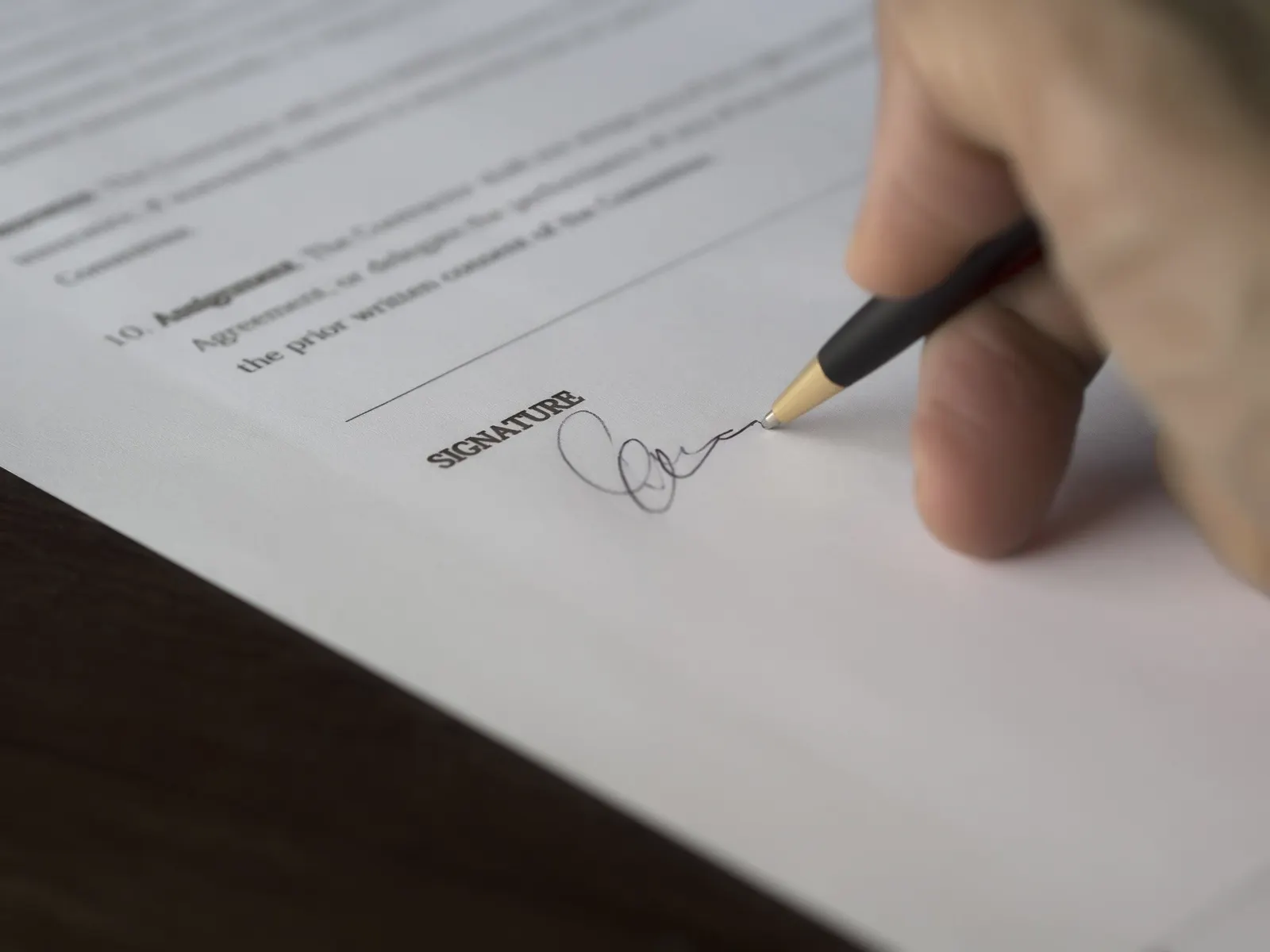
A formal notice (mise en demeure) is the letter in which a creditor formally asks the debtor to pay within a set time, warning that legal action will follow. It is often what gets the invoice paid, and it always prepares the next steps: payment order, attachment or a court claim.
When a formal notice is needed
Under Article 255 of the Code of Obligations and Contracts (DOC), the debtor is in default as soon as the due date set by the contract has passed. When no due date was set, the debtor is only in default after a formal demand from the creditor.
Even where the law does not require it, the formal notice remains the first step of any recovery: it dates the claim, sets the amount claimed and shows the judge that the debtor had a chance to pay.
What the letter must contain
- The full identity of the creditor and the debtor.
- The origin of the debt: contract, invoices (numbers and dates), delivery notes.
- The exact amount claimed, with the calculation.
- A clear demand to pay within a reasonable time, for example eight or fifteen days.
- A warning that, failing payment within that time, the creditor will take legal action.
- The date and the signature of the creditor or the creditor's lawyer.
How to send it
Article 255 DOC requires a written demand, which can take the form of a registered letter, a telegram or a court summons. In practice, choose the method that leaves proof of the date and of receipt.
- Registered letter with acknowledgement of receipt: the most common method.
- Service by a judicial officer: the safest when the debtor may refuse the letter.
- A lawyer's letter: often more effective, as it signals that proceedings are ready.
- An email or WhatsApp message can supplement it, but does not replace delivery with proof of receipt.
Its legal effects
- It puts the debtor in default when the contract set no due date.
- An out-of-court demand with a certain date that puts the debtor in default interrupts the limitation period (Article 381 DOC).
- It opens the way to damages for late payment and becomes a document in the file for a payment order or a claim on the merits.
Model formal notice to adapt
From (creditor's name or company, address) to (debtor's name or company, address). Registered letter with acknowledgement of receipt. Subject: formal notice to pay.
Dear Sir or Madam, you still owe us the sum of (amount) dirhams, for (invoice numbers and dates, or contract dated), which remains unpaid despite our reminders.
We hereby give you formal notice to pay this sum within (eight or fifteen) days of receiving this letter. Failing that, we will without further notice start the legal proceedings available to obtain payment, with the resulting costs and interest.
(Place, date, name and signature.)
After the formal notice
If the debtor pays or proposes a payment plan, the agreement should be in writing. If there is no answer, the next step depends on the evidence: a debt backed by a written document allows a payment order; a disputed debt calls for a claim on the merits; a risk that assets disappear justifies a protective attachment.
The firm's view
A precise formal notice, with figures and sent with proof of receipt, settles a good share of unpaid debts without a trial. It should be drafted with the proceedings that may follow already in mind.
Maître Malak Elimani drafts formal notices and handles amicable and court recovery of debts for companies and individuals in Rabat. This guide provides general information and is not a substitute for legal advice.
Frequently asked questions
Is a formal notice required before a payment order?
It is strongly recommended: it dates the claim, sets the amount and is among the documents the court president reviews. When the contract set no due date, it is what puts the debtor in default (Article 255 DOC).
How much time should the debtor be given?
The law speaks of a reasonable time. Eight to fifteen days is common; the period should reflect the amount and the business relationship.
Is an email enough?
It can serve as supporting evidence, but delivery with proof of date and receipt is better: a registered letter with acknowledgement of receipt or service by a judicial officer.
The information on this website is general and does not replace legal advice. Every situation requires an analysis of its own facts and documents.