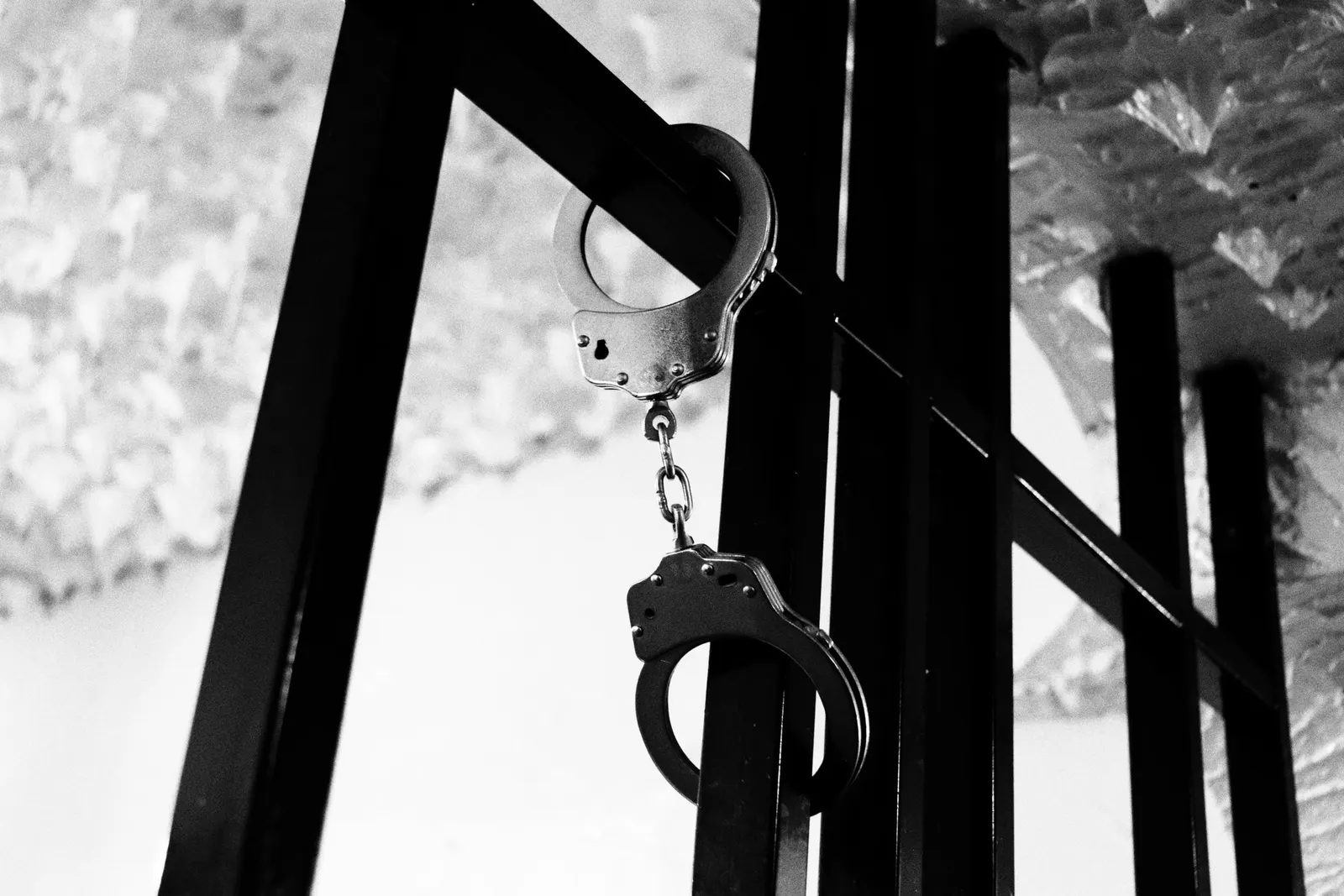
In Morocco, police custody in ordinary cases lasts no more than 48 hours, renewable once for 24 hours with the written authorisation of the public prosecutor (Code of Criminal Procedure). Longer periods apply to certain offences, notably terrorism and offences against State security. The person held must be told the reasons for the arrest and their rights, including the right to remain silent, to have their family informed and to contact a lawyer.
Rights of the person in custody
- To be told the reasons for the arrest.
- To remain silent, a right guaranteed by the Constitution.
- To have their family informed.
- To contact a lawyer, under the conditions set by the Code of Criminal Procedure.
- To a medical examination if their condition requires it.
- To an interpreter if they do not understand the language used.
- To read the police report before signing it.
Custody periods
In ordinary cases, the period is 48 hours, extendable once by 24 hours with the prosecutor's written authorisation. For certain serious offences, the law provides for longer periods and special rules on access to a lawyer.
Minors are subject to specific, more protective rules. The Code of Criminal Procedure has also been recently reformed, so the precise rules should be checked against the text in force.
What the family can do, step by step
- Step 1: find out which service is holding the person (judicial police or gendarmerie) and why.
- Step 2: contact a lawyer without delay.
- Step 3: the lawyer contacts the investigating service and the prosecutor's office to follow the situation.
- Step 4: at the end of custody, the person is brought before the public prosecutor, who may release them, prosecute without detention, order an immediate hearing or refer the case to an investigating judge.
- Step 5: prepare guarantees of appearance to support a request for release.
Useful documents to gather
- Copy of the identity card of the person arrested.
- Proof of address.
- Certificate of employment or school enrolment.
- Prescriptions and medical file if under treatment.
- Any document relating to the facts (contracts, messages, receipts).
Why the police report matters
The judicial police report is a central document in the case: for misdemeanours, it is taken as accurate unless proven otherwise. It must therefore be read carefully before signing, any error must be pointed out, and a statement that does not match what was said should not be signed.
Common mistakes
- Signing the report without reading it.
- Making hasty statements without taking advice.
- Waiting until custody ends before contacting a lawyer.
- Not preparing guarantees of appearance (address, employment) for the hearing before the prosecutor.
Frequently asked questions
How long does police custody last in Morocco?
In ordinary cases, 48 hours at most, renewable once for 24 hours with the public prosecutor's written authorisation. Longer periods apply to certain serious offences.
Is a person in custody entitled to a lawyer?
Yes, they may contact a lawyer under the conditions set by the Code of Criminal Procedure. The family can instruct a lawyer as soon as they learn of the arrest.
Can you refuse to sign the police report?
The person may refuse to sign or ask for an inaccurate statement to be corrected. The refusal is then noted in the report.
Reference texts
Further reading
- Criminal law
- Filing a criminal complaint in Morocco: the steps and what happens next
- Alternative sentences: what Law 43-22 changes for defendants and victims
- Hacking and online blackmail: what to do in Morocco?
- Online defamation and invasion of privacy in Morocco
- Fraud or breach of trust: what is the difference?
The information on this website is general and does not replace legal advice. Every situation requires an analysis of its own facts and documents.